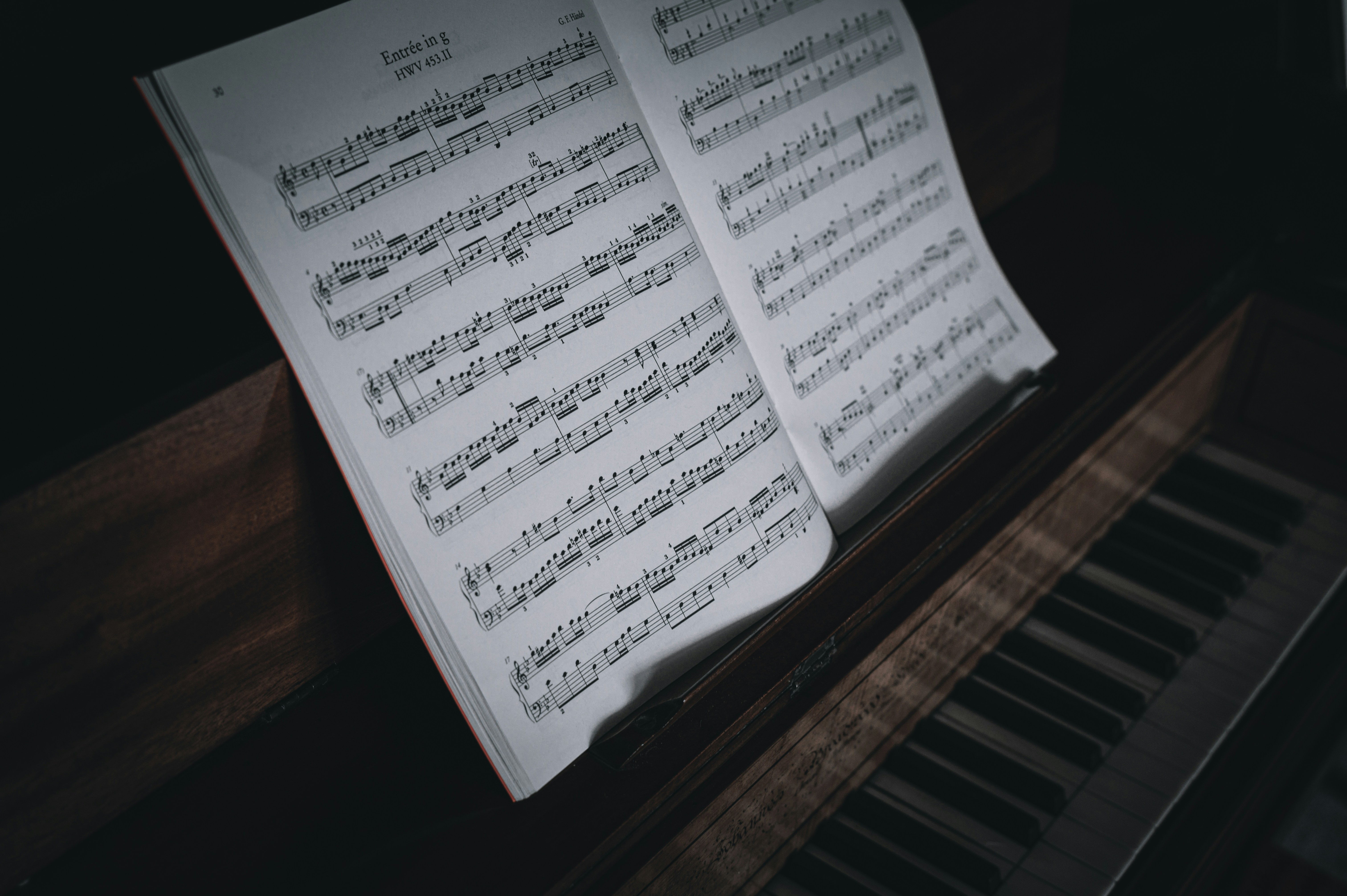
Classical piano music serves as a foundational element in the education of budding pianists. Its significance is not only rooted in its historical weight but also in its capacity to develop essential skills for beginners. Engaging with classical compositions allows novice pianists to refine their technical abilities, build a strong understanding of musical theory, and cultivate expressive performance skills.
Learning classical piano pieces offers numerous advantages. First and foremost, these compositions are often characterized by intricate melodies and harmonies, which challenge learners and help them improve their finger dexterity and coordination. As beginners tackle these pieces, they inevitably enhance their hand independence, making it easier to execute complex musical phrases. Additionally, classical music often adheres to well-established structural forms, such as sonatas and concertos, which provide valuable insights into musical architecture—an integral part of comprehensive music education.
Furthermore, addressing classical music through sheet music enhances one’s understanding of dynamics, articulation, and phrasing. These elements are crucial for any pianist aiming to express emotion through their playing. By studying how composers such as Bach, Mozart, and Beethoven approached their works, students can learn to interpret music at a deeper level, thereby elevating their overall musicianship.
As we delve into specific classical sheet music pieces, it will become evident that each selection carries its own unique learning opportunity. By embracing classical piano music, beginners not only gain access to a rich repertoire but also develop a skill set that will be invaluable throughout their musical journey.
Criteria for Selection of Popular Pieces
The selection of the top 5 most popular classical piano sheet music for beginners is based on several key criteria to ensure that these pieces not only provide enjoyment but also serve as effective teaching tools. First and foremost, accessibility plays a critical role. The chosen pieces are simplified enough for novice pianists, which allows them to build their skills gradually without becoming overwhelmed. This aspect of accessibility ensures that beginners can successfully grasp fundamental techniques without facing excessive complexity.
Another important criterion is popularity. The pieces selected are widely recognized and have stood the test of time, being cherished by audiences and musicians alike. This popularity often translates to a sense of familiarity for students, making it easier for them to develop a connection with the music. Playing well-known pieces can enhance a beginner’s motivation and enjoyment, encouraging them to practice regularly.
The educational value of the selected music cannot be overlooked. Each piece is carefully chosen for its ability to teach essential piano techniques, such as scales, chords, and phrasing. These elements are fundamental to a musician’s development, and the right piece can reinforce these skills through practical application. The balance between beauty and technical challenge is essential in guiding beginners on their musical journey.
Finally, overall enjoyment is paramount in the selection process. The selected popular classical piano pieces are not just instructional tools; they are works of art that evoke emotion and inspire creativity. When beginners engage with music they find enjoyable, they are more likely to develop a lasting interest in their piano studies. Together, these criteria serve to ensure that the pieces selected are both educational and engaging for beginners, setting the foundation for a rewarding piano experience.
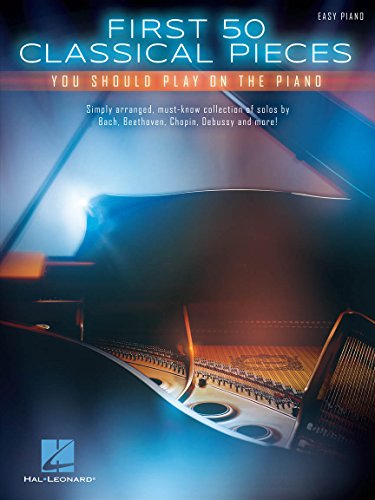
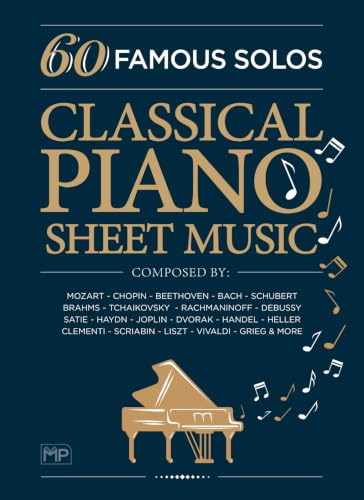

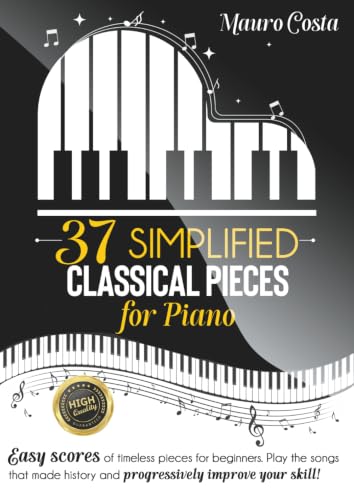
The Top 5 Classical Piano Pieces for Beginners
When embarking on the journey of learning piano, selecting the right pieces is essential for maintaining motivation and enhancing skills. Below, we introduce five classical piano compositions specifically suited for beginners, each with unique characteristics that make them a wonderful starting point.
1. Für Elise – Ludwig van Beethoven
This timeless piece composed by Beethoven is often favored by novice pianists due to its catchy melody and simple structure. Originally written in 1810, Für Elise is characterized by its lightness and the arpeggiated left-hand accompaniment, offering an ideal balance between challenge and enjoyment. Beginners can focus on mastering the right hand’s melodic lines before integrating the left hand.
2. Prelude in C Major – Johann Sebastian Bach
For those looking to explore baroque music, Bach’s Prelude in C Major is a brilliant choice. This piece serves as an excellent introduction to counterpoint and harmonic progressions. Its repetitive patterns in both hands allow beginners to build confidence and improve finger dexterity. It’s advisable to practice slowly at first, paying attention to the phrasing and dynamics.
3. Clair de Lune – Claude Debussy
Although slightly more advanced, the first movement of Clair de Lune can be tackled by beginners who are determined. Composed in 1905, this piece showcases rich harmonic content and flowing melodies that evoke emotion. Beginners should concentrate on achieving a smooth touch with dynamics, progressing gradually through sections as they become more comfortable with the nuances of the piece.
4. The Entertainer – Scott Joplin
This ragtime classic is a fun-filled piece that employs syncopation, making it a lively addition to any beginner’s repertoire. Composed in 1902, The Entertainer offers rhythmic practice and encourages a playful interpretation. Beginners should practice in segments, focusing on hand coordination and timing before piecing it together.
5. Gymnopédie No. 1 – Erik Satie
Satie’s Gymnopédie No. 1 stands out for its simplicity and atmospheric qualities. It’s an excellent piece for beginners due to its slow tempo and cueing for expression. Aspiring pianists should aim to express the piece’s mood while maintaining a soft touch. Practicing the pedal technique will enhance the sonic blend that Satie intended.
With these pieces, beginners can develop their skills while enjoying some of the most cherished classical music. Each composition provides a unique learning experience, encouraging growth and appreciation for piano performance.
Conclusion and Further Learning Resources
Exploring the world of classical piano can be an enriching experience, especially for beginners. The selection of classical piano sheet music discussed in this blog post provides aspiring pianists with accessible and appealing options to start their musical journey. These pieces not only enhance technical skills but also foster a deep appreciation for classical music. By playing these beginner-friendly compositions, novice pianists can develop their musicality and build a solid foundation for more advanced pieces in the future.
As one progresses in their piano learning endeavors, it is pivotal to maintain a steady path of improvement and exploration. Engaging with various learning resources can greatly enhance the musical experience. Online tutorials are an excellent way to expand one’s repertoire while offering visual and auditory feedback that can aid comprehension. Websites and channels dedicated to piano instruction can provide detailed lessons on specific pieces as well as techniques.
Piano method books designed for beginners are also invaluable. These books typically include a structured curriculum that gradually introduces new concepts and reinforces learning. Furthermore, they often contain an assortment of classical pieces, allowing learners to apply their skills in a fun and engaging manner.
Musical apps designed for piano practice can serve as excellent tools for reinforcing skills and introducing new concepts. Many of these apps offer interactive features that simulate a real-time learning experience, tailoring exercises to an individual’s progress and challenges.
In summary, while the pieces highlighted are a wonderful starting point, the journey of learning to play the piano is ongoing. The resources mentioned above provide a pathway for continuous exploration and skill development, ensuring that beginners remain motivated and inspired as they delve into the rich world of classical music.