Who Was J.S. Bach?
Johann Sebastian Bach, born on March 31, 1685, in Eisenach, Germany, is widely regarded as one of the greatest composers in the history of Western classical music. He was the last in a long line of musicians in his family, which significantly influenced his development as a composer and virtuoso musician. The Bach family produced an array of musicians over several generations, and from an early age, Johann was immersed in the rich musical traditions that surrounded him.
Bach’s early education played a pivotal role in shaping his musical ambitions. After losing his parents at a young age, he moved in with his older brother, Johann Christoph Bach, who was also a musician. His brother provided him with guidance and furthered his music education, which included a deep study of counterpoint and harmony. This foundation would serve as a crucial element in Bach’s compositional style, characterized by intricate fugues and complex polyphony.
Throughout his career, Bach held various positions that helped bolster his reputation. He worked at the courts of Weimar and Köthen, where he composed some of his most well-known works, such as the Brandenburg Concertos and the Well-Tempered Clavier. In 1723, he became the director of music at the St. Thomas Church in Leipzig, a position that would define the latter part of his career. It was here that he created many of his major choral works, including the Mass in B minor and the St. Matthew Passion, which demonstrated his unmatched ability to combine intricate musical forms with profound emotional depth.
Bach’s personal life also played a significant role in his career. He married twice and had a total of 20 children, several of whom followed in his musical footsteps. His family life, combined with his robust professional engagements, nurtured his creativity and allowed him to explore various musical genres. Overall, Bach’s legacy is anchored in his exceptional contributions to music, significantly influencing subsequent generations of composers and musicians alike.
The Musical Innovations of Bach
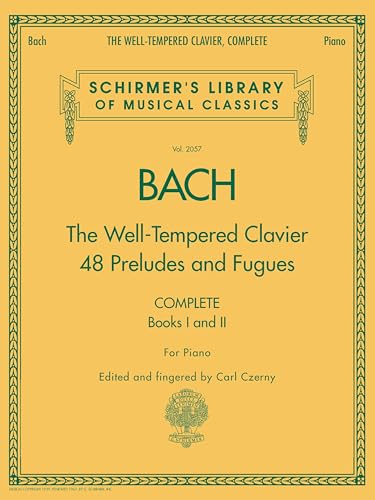
Johann Sebastian Bach, a pivotal figure of the Baroque period, is celebrated not only for his profound musical compositions but also for his innovative contributions that significantly advanced the realm of music. One of his primary achievements lies in his mastery of counterpoint, which refers to the art of combining distinct melodic lines in a harmonious manner. This technique is most famously exemplified in works such as the Well-Tempered Clavier, a collection of preludes and fugues that showcase his deft ability to intertwine melodies, thus setting a precedent for future composers.
In addition to counterpoint, Bach made substantial strides in harmony. His use of complex chord progressions and unconventional modulations allowed him to establish emotional depth that resonated with audiences of his time and continues to do so today. The Brandenburg Concertos, a series of six concertos, illustrate this innovative harmonic language. With each concerto featuring a unique combination of instruments, Bach explored the possibilities of instrumental color and texture, enriching the Baroque orchestral sound.
Bach’s understanding of form also played a critical role in his musical innovations. He utilized various musical forms, including the concerto, the sonata, and the suite, often blending them to create expansive works that capture the listener’s imagination. His ability to integrate different musical styles and forms not only defined his unique voice but also influenced subsequent generations of musicians.
Thus, through his innovative contributions to counterpoint, harmony, and form, Bach not only pushed the boundaries of musical composition but also established a benchmark of excellence that continues to inspire artists today. His legacy provides a fertile ground for exploration and appreciation in the world of music and beyond.
Bach’s Influence on Modern Music
Johann Sebastian Bach, often regarded as one of the greatest composers of all time, has had a profound and lasting influence on modern music across a myriad of genres. His innovative techniques and compositional styles have inspired countless contemporary artists, composers, and musicians, affirming his significance in today’s musical landscape.
In the realm of jazz, musicians frequently draw upon Bach’s intricate harmonies and melodies. For example, renowned jazz pianist Jacques Loussier has famously blended Bach’s classical works with improvisational jazz elements, creating a unique fusion that highlights the intrinsic sophistication of Bach’s music. This approach not only preserves Bach’s original genius but also demonstrates how his structures can adapt to new styles, encouraging young artists to explore cross-genre experimentation.
Pop music, too, has seen Bach’s influence seep into its very fabric. Numerous contemporary pop songs incorporate elements that echo Bach’s baroque style, whether through melodic progression or complex chord changes. Artists like Coldplay and Beyoncé have been known to reference classical forms in their music, showcasing Bach’s enduring significance as a touchstone of sophisticated composition in popular culture.
In the classical genre, modern composers often study Bach’s work as part of their training, learning his methods of counterpoint and voice leading, which have become foundational skills for developing musicians. His music serves not only as an educational tool but also as a source of inspiration for emerging composers seeking to innovate within their own creations.
Ultimately, Bach’s ability to transcend time and genre underlines his relevance in contemporary settings. Young adults today can connect with the essence of Bach’s music, recognizing that his genius continues to resonate, innovate, and inspire within the diverse sonic tapestries of our modern world.
Experiencing Bach Today
Engaging with the music of J.S. Bach in today’s context can be both inspiring and enriching for young adults seeking to appreciate classical music. One practical way to connect with Bach’s genius is through curated recordings that showcase his vast catalog of compositions. Many notable orchestras and soloists have recorded Bach’s works, making it accessible on digital platforms. For instance, the performances of the renowned Academy of St. Martin in the Fields or the recordings by violinist Itzhak Perlman are highly recommended for their expressive interpretations.
Additionally, attending live performances can offer an immersive experience that amplifies the emotional depth of Bach’s compositions. Local symphonies and concert halls frequently feature Bach’s masterpieces, and many universities often host concerts showcasing student ensembles. Exploring music festivals that celebrate Baroque music can also provide opportunities to hear authentic interpretations of Bach’s works.
Young adults can also engage with Bach’s music through multimedia resources. There are numerous documentaries and educational videos available online that delve into his life and artistic process, offering insights into how his compositions reflect historical contexts. Websites and apps devoted to classical music often provide listening guides and background information that enhance the listening experience.
For those interested in a more personal exploration, actively studying Bach’s scores or transcribing his pieces can yield a deeper understanding of his compositional techniques. Online platforms and communities allow for discussions about interpretations and adaptations, encouraging collaboration and sharing of ideas among young learners. In doing so, young adults can not only appreciate Bach’s genius but also internalize his music as a vital part of their everyday lives.



<script async src="https://pagead2.googlesyndication.com/pagead/js/adsbygoogle.js?client=ca-pub-9756018887642466"
     crossorigin="anonymous"></script>