Understanding Metronomes: What They Are and Why They Matter
A metronome is a device that emits a steady pulse or sound at a set tempo, crucial for musicians during practice and performance. Its primary function is to guide musicians in maintaining an even rhythm and consistent timing, which are essential elements in any musical composition. Whether one plays the piano, guitar, drums, or any other instrument, a metronome serves as an invaluable tool in the development of musical skills.
The history of the metronome dates back to the early 19th century, with the invention attributed to Johann Maelzel in 1815. Originally mechanical, these devices functioned through a pendulum mechanism that produced audible clicks at designated intervals. Over the years, the design of metronomes evolved, leading to the introduction of electronic versions filled with advanced features such as adjustable tempo settings, varied sound options, and even visual cues such as lights. These modern digital metronomes offer musicians precise control over tempo, which can range from very slow to extremely fast beats.
Tempo plays a pivotal role in music, influencing how pieces are interpreted and performed. A metronome assists musicians in internalizing specific tempos, which enhances their ability to collaborate with others in ensemble settings. It provides musicians the opportunity to practice at various speeds, enabling gradual improvement and mastery of rhythm and timing. With a metronome at hand, musicians can track their progress and build confidence while performing pieces accurately. Thus, understanding metronomes and their significance can help musicians enhance their practice routines and improve overall performance effectiveness.
Mechanical Metronomes: Features, Advantages, and Limitations
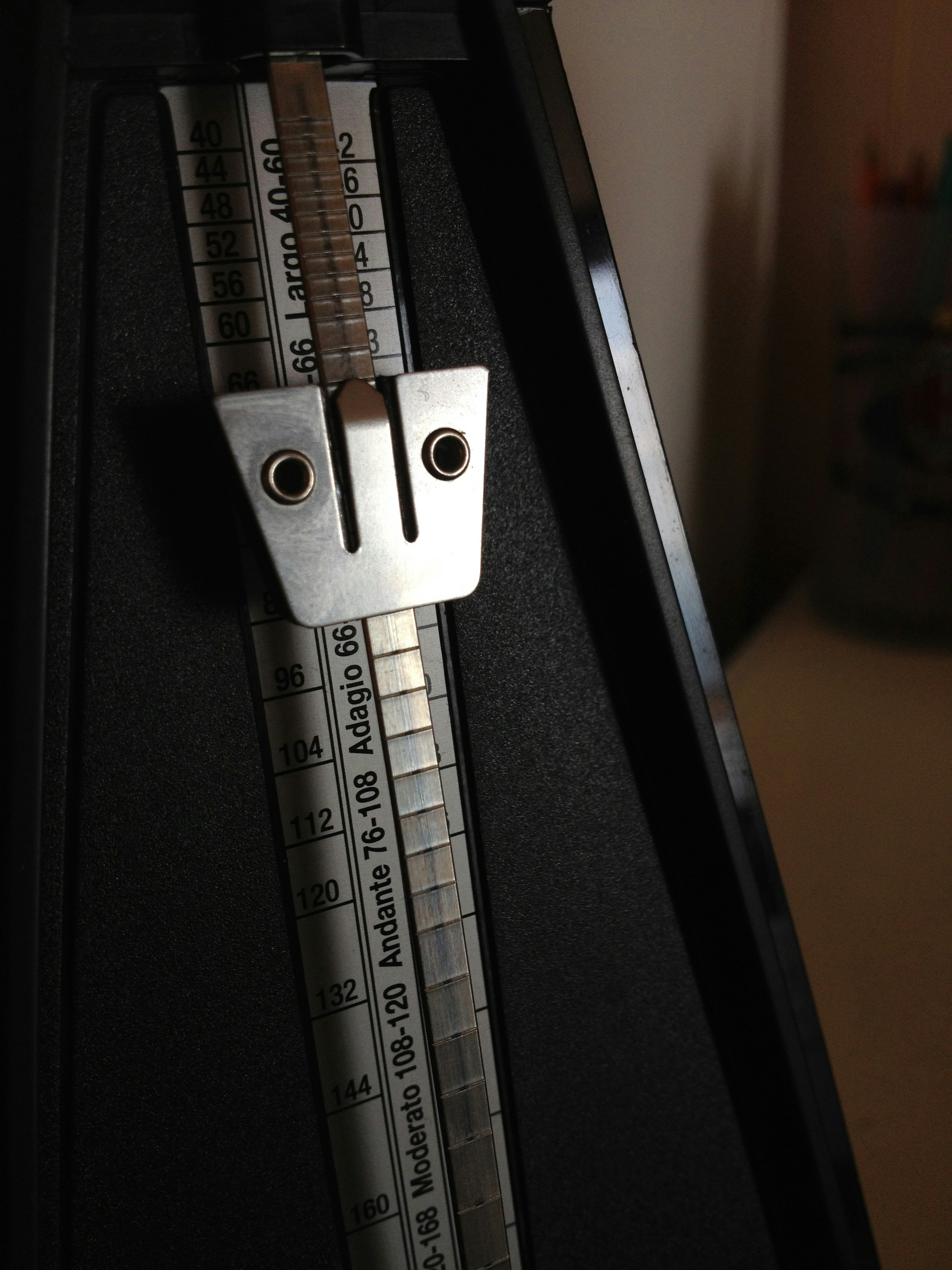
Mechanical metronomes have been an essential tool for musicians for centuries, distinguished by their straightforward design and functionality. These devices typically consist of a pendulum mechanism driven by a clockwork motor. The primary components of a mechanical metronome include the pendulum, gears, and a winding mechanism, allowing users to set precise beats.
One of the most notable advantages of mechanical metronomes is their tactile feedback. The audible ticking sound, accompanied by the visible swinging motion of the pendulum, provides a physical reminder of the beat, enhancing a musician’s timing and rhythm skills. Additionally, their historical authenticity appeals to musicians who appreciate traditional methods of practice. Unlike digital counterparts, mechanical metronomes are entirely analog, often evoking nostalgia in users who desire a tangible connection to music’s rich history.
However, these devices do come with their share of limitations. Mechanical metronomes are generally less versatile than digital models, lacking advanced features such as programmable beats or diverse sound settings. The tempo range may also be more constrained, resulting in limited use for various styles of music. Furthermore, mechanical metronomes can be sensitive to handling. Any slight bump or nudge can disrupt their accuracy, and they require regular winding, which may be inconvenient for some users.
In terms of maintenance, mechanical metronomes typically have a longer lifespan than digital ones if handled properly. They are often crafted from durable materials and can endure years of use when taken care of. Nevertheless, potential users should weigh these strengths against the drawbacks, considering their specific needs and musical goals, before deciding on a metronome solution that best suits them.
Digital Metronomes: Features, Advantages, and Limitations
Digital metronomes have become increasingly popular among musicians due to their advanced features and adaptability. One of the primary advantages of digital metronomes is the capability for customizable beats. Musicians can select from different time signatures and tempos, ranging from the standard selections to more specialized options, allowing for a highly tailored practice experience. Additionally, the sound settings are versatile; users can choose from various tones such as woodblock, beep, or even synthesized sounds to suit their preferences.
Another noteworthy feature of digital metronomes is the inclusion of visual indicators. Many models incorporate lights that flash in sync with the beat, aiding musicians in maintaining rhythm, especially in noisy environments. This feature is particularly beneficial for drummers and percussionists who rely heavily on timing. Moreover, the portability of digital metronomes cannot be overstated. These devices are often compact and lightweight, making them easy to carry to rehearsals, lessons, or performances.
Furthermore, digital metronomes often allow for connectivity with other devices. Musicians can synchronize their digital metronome with recording software or other musical applications, enhancing their practice and performance capabilities. However, while digital metronomes showcase numerous advantages, there are limitations that users should consider. The reliance on batteries or a power source can be a drawback, as musicians may find themselves in situations where their metronome fails due to a dead battery. Additionally, some users may find the navigation and settings adjustment complex, especially if they are accustomed to the straightforward operation of mechanical metronomes.




Choosing the Right Metronome for Your Needs
When it comes to selecting the ideal metronome, understanding your individual requirements is paramount. Your choice between a mechanical and digital metronome should be guided by several important factors including your skill level, preferred musical genre, and your practice style. Each type of metronome offers unique benefits and limitations that can significantly impact your learning experience.
For beginners, a mechanical metronome may be favorable due to its straightforward operation and innate visual cueing through swinging pendulums. This type can help develop a more natural sense of rhythm without the distractions that digital features may entail. Alternatively, digital metronomes often provide a variety of sound options and complex functionalities, making them well-suited for more advanced players or those engaged in genre-specific exercises.
Your preferred musical genre also plays a critical role in your decision. For instance, genres such as classical music may benefit from the precise timing characteristics of a digital metronome, while jazz or folk musicians might favor mechanical options which inspire a feel for tempo variations. Further, consider your personal practice style; if you appreciate having visual effects along with auditory cues, a digital metronome could enhance your experience.
Before making a decision, it is advisable to test various models. Visiting a music store to try out mechanical and digital metronomes will allow you to discern which features resonate with your needs. Pay attention to how each tool feels during use, as comfort and ease of access are crucial for effective practice. By evaluating these factors, you will be well-equipped to choose a metronome that supports your musical journey effectively.